
Strike energy adjustment
The slide valve is the central control element for adjusting the wedge tool. Positions 1–6 allow strike energy adjustment from light to heavy, with position 6 providing maximum strike energy.
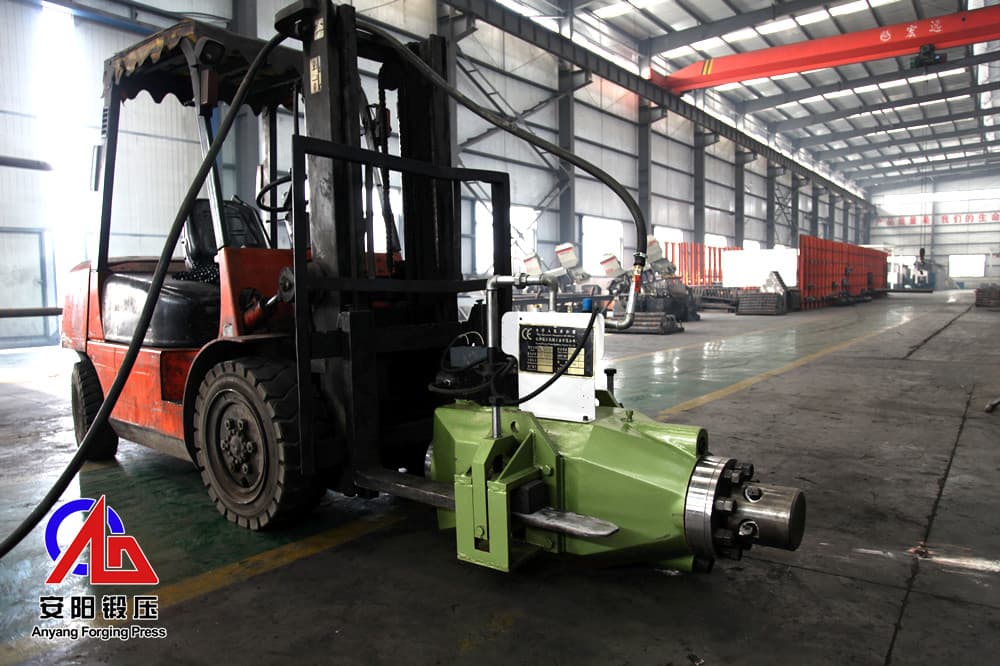
A pneumatic tool used with a forklift to drive wedges into and out of forging hammer dies, replacing the traditional sledgehammer method with adjustable, single-operator force control.
Overview
The key driver addresses the limitations of the traditional drop hammer method used in forging factories: it lacks controlled striking force and direction, risks damaging the wedges and creates safety hazards when several operators are involved.
Anyang’s solution can be used with a suitable forklift to drive wedges on forging hammers. It functions as a pile machine driven by compressed air: the hitting head performs a quick hit with a corresponding strike energy.
The device is to be used for driving mounting wedges in and out of forging hammers, in combination with a suitable and permissible forklift. Operation requires two-handed operation and should be performed by only one operator.
Key data
Full technical parameters are confirmed together with our engineers, based on your part and production volume.
Features
The slide valve is the central control element for adjusting the wedge tool. Positions 1–6 allow strike energy adjustment from light to heavy, with position 6 providing maximum strike energy.
The compressed air supply shall be guaranteed to be clean, dry and to have continuous pressure as far as possible.
Two-handed operation protects the operator during work.
In use
Gallery
Video
| Parameter | Unit | DXT-100 | DXT-200 | DXT-400 | DXT-800 |
|---|---|---|---|---|---|
| Max. impact energy | kJ | 1 | 2 | 4 | 8 |
| Pressurised air connection | inch | 1" | 1" | 1" | 1½" |
| Max. wedge dimension | mm | 60×80×500 | 80×120×1000 | 100×200×2000 | toate penele |
| Working pressure | MPa | 0,6–0,8 | 0,6–0,8 | 0,6–0,8 | 0,6–0,8 |
| Max. piston stroke | mm | 400 | 500 | 600 | 700 |
| Weight (including bracket) | kg | 860 | 1560 | 2860 | 5500 |
| Matched forging hammer hit energy | kJ | 0–25 | 25–75 | 75–150 | 150–500 |
* Specifications shown correspond to the reference model in each series and may vary by configuration.
Advantages
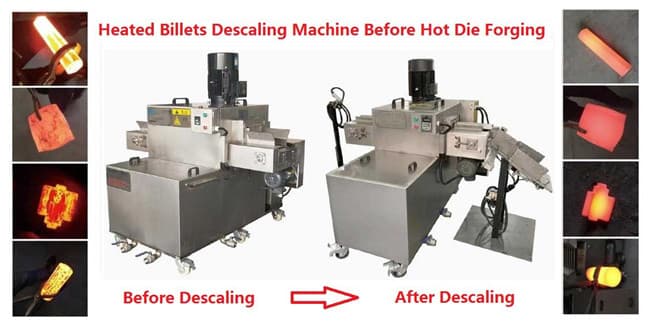
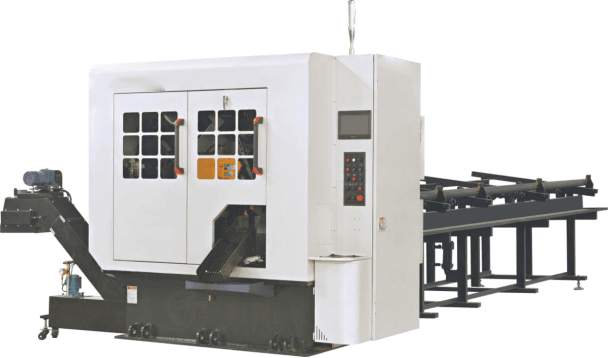
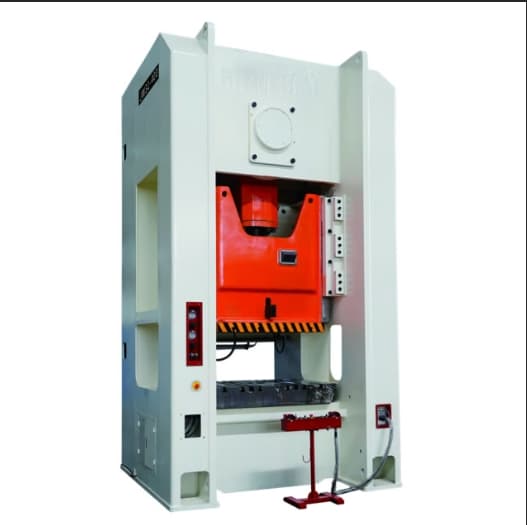
From billet handling and ring rolling to shearing, descaling and final pressing — 15 distinct machines cover virtually every complementary stage of the forging workflow.
01Every machine is designed to run standalone or integrated, alongside Anyang CNC hammers and presses, into fully automated production lines.
02Technologies such as ring rolling and cross wedge rolling reduce material waste and improve dimensional accuracy compared with conventional cutting or free-forging methods.
03Welded steel frames, PLC/CNC control and reliable hydraulic or pneumatic systems, built for continuous, multi-shift operation.
04See also
 D53K
D53K D51
D51
 WGP
WGP JH21
JH21 ZGD
ZGD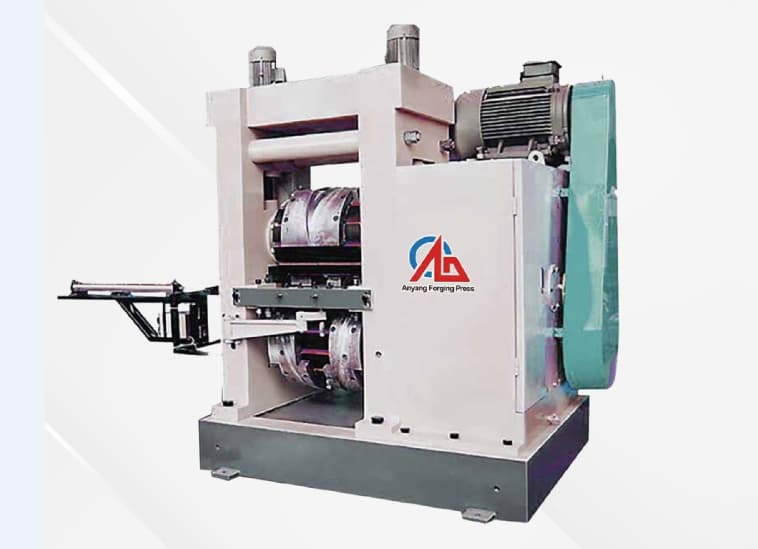
 JW31
JW31 JS31
JS31 X-Q45
X-Q45 WP
WPOur technical team helps you identify the right equipment from this extensive portfolio, for any stage of your forging workflow.