
Finite element analysis
Finite element analysis applied to large components.
JS31
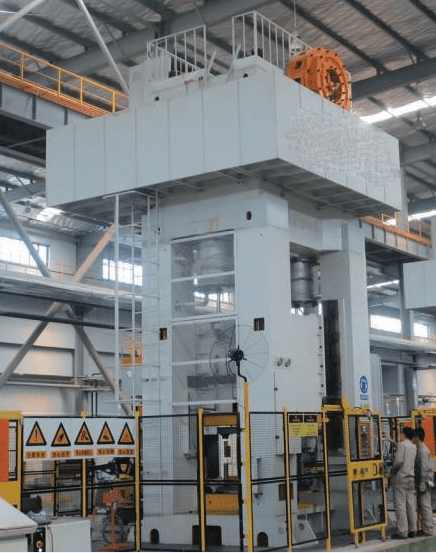
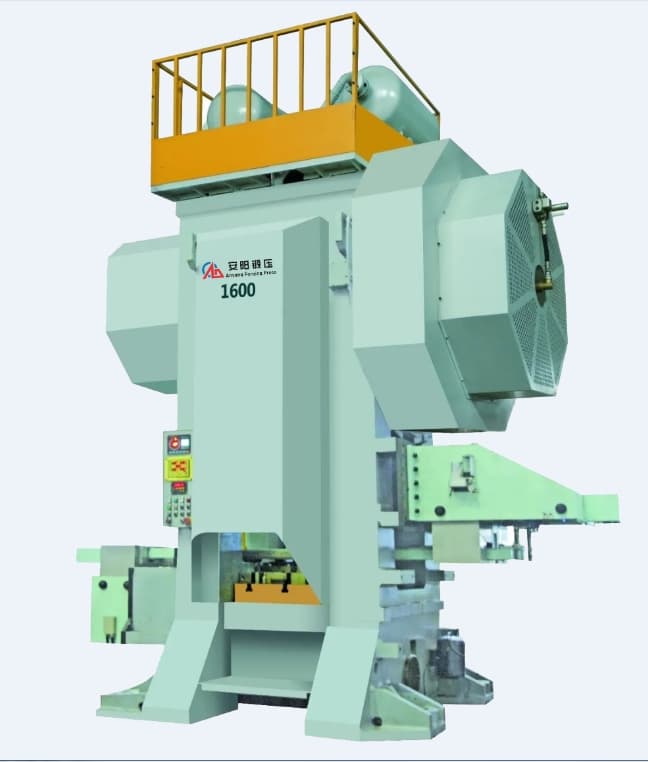
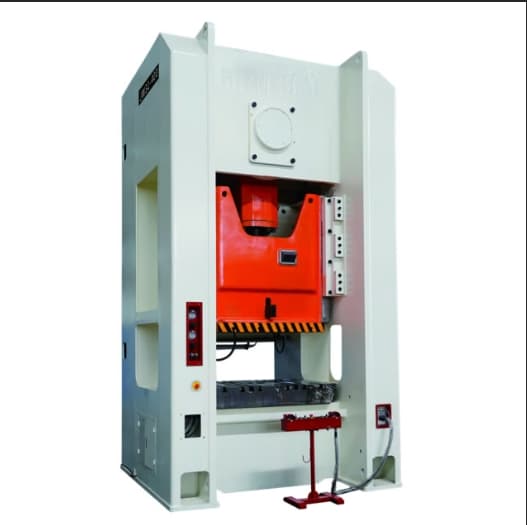
A single-point closed press with an integral steel-plate-welded frame, delivering high rigidity, dynamic precision and a spacious work area for automated production lines.
Overview
The equipment adopts an integral frame structure with good rigidity, high dynamic precision and spacious working space. It finds wide application in precision processing and automated production.
The steel plate welded body features a frame-type integral structure with minimal deformation and excellent rigidity.
Key data
Full technical parameters are confirmed together with our engineers, based on your part and production volume.
Features
Finite element analysis applied to large components.
Universal, standardized and modular design approach.
Special clutch brake system included.
Achieves high performance, precision and stability.
Heavy-duty lubrication system incorporated.
Extra-long guide rails employed.
Imported hydraulic overload protection on 630 t and above models.
Solidworks optimization of the transmission system and appearance design.
In use
Gallery
| Parameter | Unit | JS31-125 | JS31-160 | JS31-250 | JS31-315 | JS31-400A | JS31-400B | JS31-400C | JS31-500 |
|---|---|---|---|---|---|---|---|---|---|
| Nominal pressure | kN | 1250 | 1600 | 2500 | 3150 | 4000 | 4000 | 4000 | 5000 |
| Nominal stroke | mm | 7 | 8 | 10 | 12 | 13 | 13 | 13 | 13 |
| Slide stroke | mm | 130 | 160 | 200 | 220 | 250 | 250 | 400 | 250 |
| Slide strokes per minute | min⁻¹ | 35 | 32 | 28 | 28 | 25 | 25 | 20 | 25 |
| Max. die set height | mm | 350 | 385 | 460 | 520 | 530 | 565 | 550 | 530 |
| Die height adjustment | mm | 85 | 140 | 160 | 160 | 160 | 160 | 250 | 160 |
| Slide bottom size — L × R | mm | 550 | 510 | 700 | 700 | 810 | 1230 | 1230 | 810 |
| Slide bottom size — F × B | mm | 550 | 560 | 670 | 670 | 810 | 1000 | 1000 | 810 |
| Bolster size — L × R | mm | 700 | 710 | 850 | 850 | 990 | 1240 | 1240 | 990 |
| Bolster size — F × B | mm | 750 | 790 | 900 | 900 | 1060 | 1200 | 1200 | 1060 |
| Height of press above floor | mm | 4000 | 4400 | 5220 | 5300 | 5450 | 5625 | 6800 | 5540 |
| Cushion — pressing / ejector force | kN | 60 | 80 | 120 | 160 | 200 | 200 | 200 | 250 |
| Cushion — quantity | buc | 1 | 1 | 1 | 1 | 1 | 1 | 1 | 1 |
| Cushion — stroke | mm | 65 | 80 | 100 | 110 | 125 | 125 | 140 | 125 |
| Overall dimensions — F × B | mm | 1610 | 1640 | 2185 | 2185 | 2440 | 2480 | 3180 | 2510 |
| Overall dimensions — L × R | mm | 1872 | 1970 | 2400 | 2430 | 3020 | 3610 | 3610 | 3220 |
| Motor power | kW | 11 | 15 | 22 | 30 | 37 | 45 | 45 | 45 |
* Specifications shown correspond to the reference model in each series and may vary by configuration.
Advantages
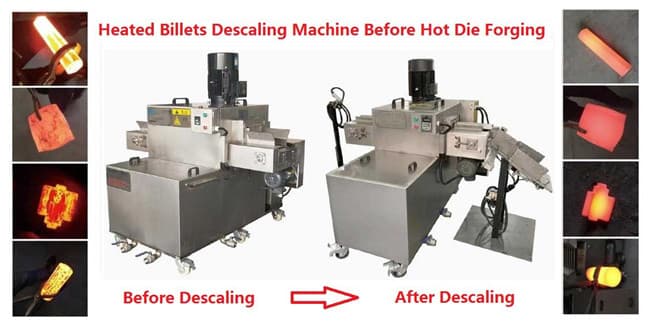
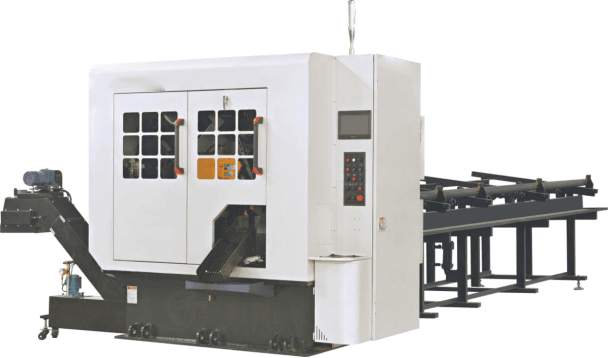
From billet handling and ring rolling to shearing, descaling and final pressing — 15 distinct machines cover virtually every complementary stage of the forging workflow.
01Every machine is designed to run standalone or integrated, alongside Anyang CNC hammers and presses, into fully automated production lines.
02Technologies such as ring rolling and cross wedge rolling reduce material waste and improve dimensional accuracy compared with conventional cutting or free-forging methods.
03Welded steel frames, PLC/CNC control and reliable hydraulic or pneumatic systems, built for continuous, multi-shift operation.
04See also
 D53K
D53K D51
D51
 WGP
WGP JH21
JH21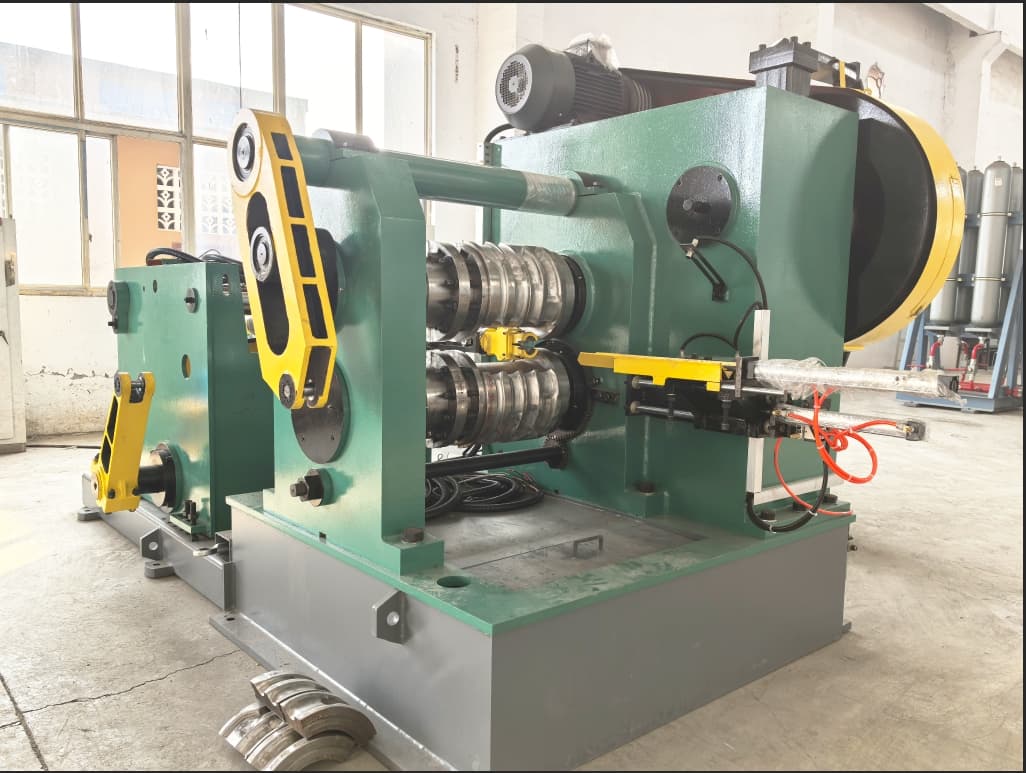 ZGD
ZGD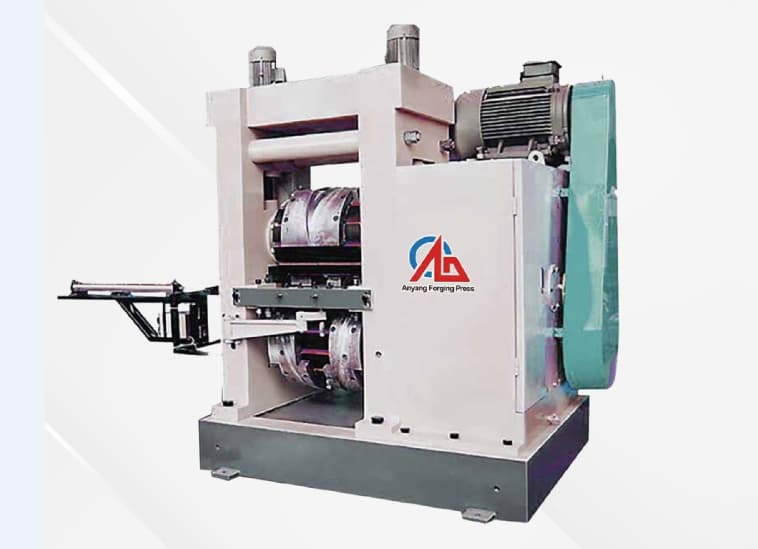
 JW31
JW31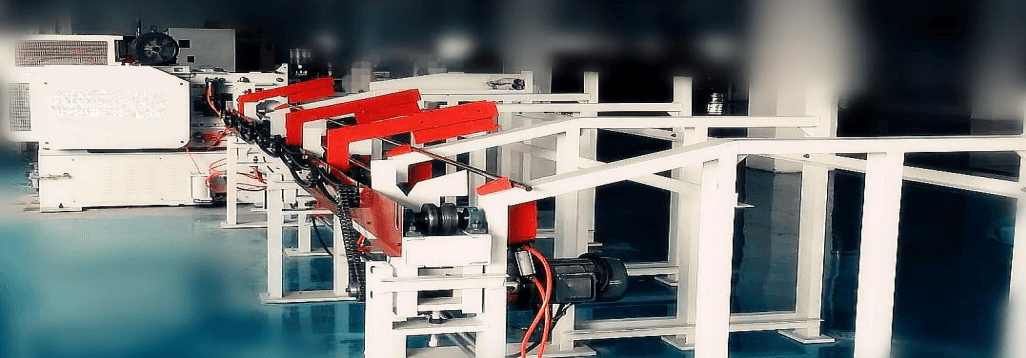 X-Q45
X-Q45 WP
WPOur technical team helps you identify the right equipment from this extensive portfolio, for any stage of your forging workflow.